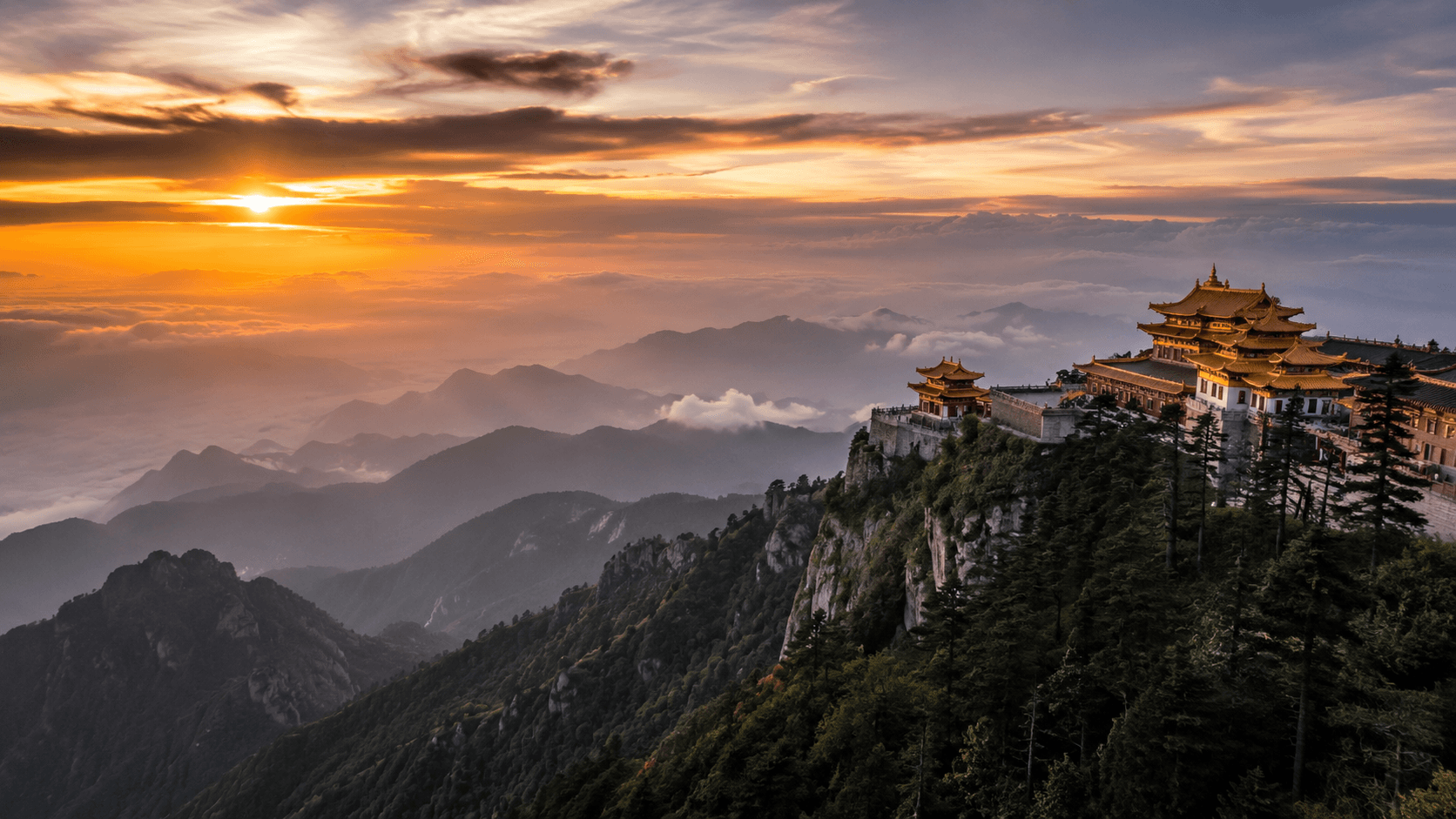
4 days · From $529
Wisdom · Manjusri Bodhisattva
Mount Wutai · A Journey of Wisdom
五台山 · 文殊智慧之旅
For travelers seeking clarity, learning, and better decisions.
Buddhist Culture Journeys in China
Explore China through wisdom, action, compassion, and great vows. Our routes connect sacred mountains, Buddhist stories, temple culture, food, hotels, and practical travel planning—so your journey feels meaningful and actually works on the ground.
The Story of Buddhism in China
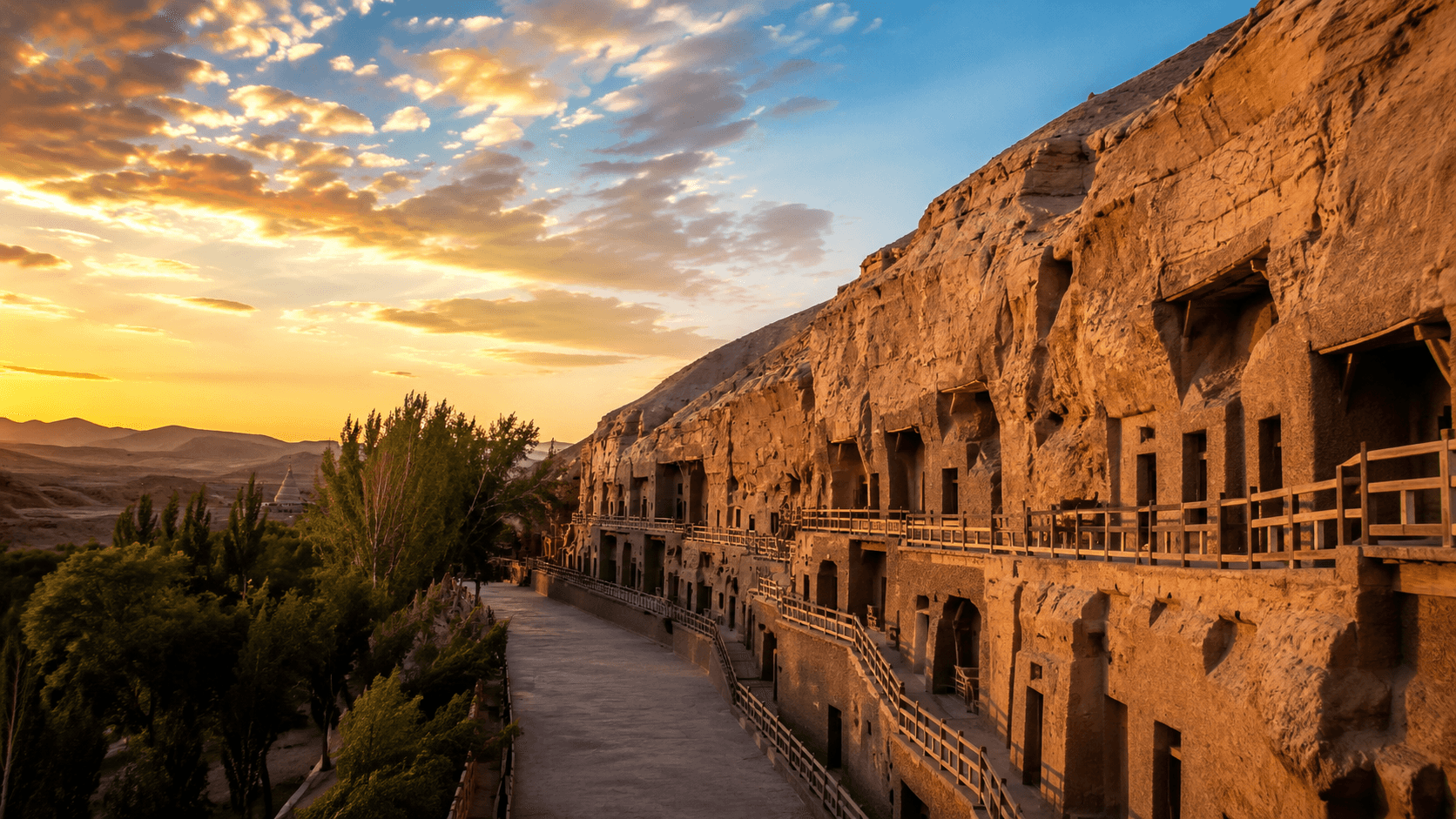
Dunhuang
Buddhist caves · 1,000 years of murals
Mount Wutai
Pilgrimage mountain · Bodhisattva Manjusri
Buddhism began in ancient India as a search for understanding — why do human beings suffer, and is it possible to live with greater clarity and compassion? As these teachings moved across Asia, monks, merchants, and pilgrims carried them through deserts and mountains into China.
When Buddhism reached China, translation became more than language. Chinese scholars spent centuries debating meaning. Artists searched for new ways to represent enlightenment and wisdom. Builders adapted monasteries to Chinese architectural traditions. Mountains, caves, forests, and islands gradually became sacred landscapes.
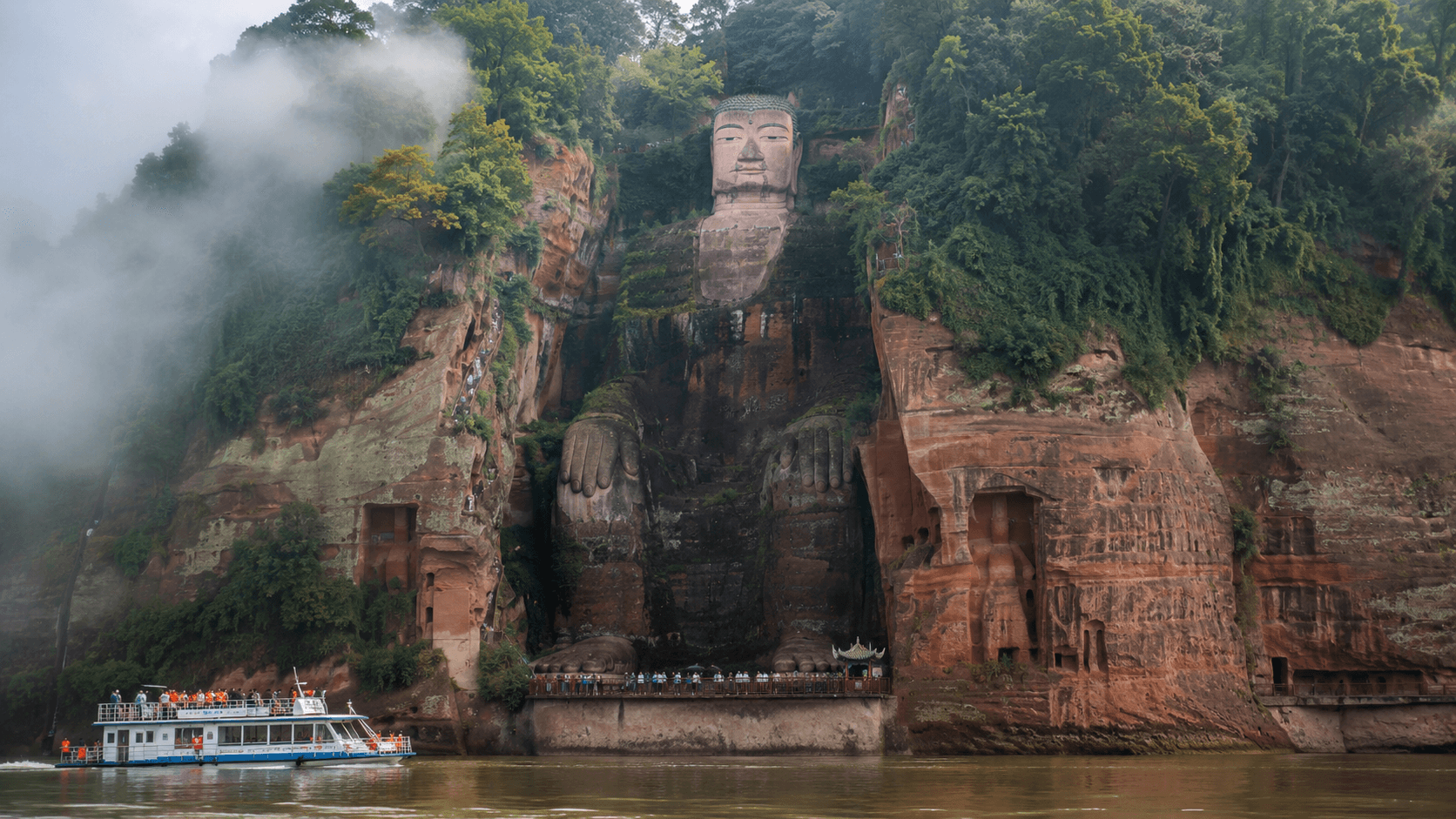
The result can still be seen across China today. In Dunhuang, Buddhist caves preserve paintings created over a thousand years. In Luoyang, thousands of figures carved into the cliffs of Longmen reveal how Buddhist art was shaped by imperial power. On Mount Emei, the Giant Buddha of Leshan was carved directly into a cliff above three rivers.
These places are not isolated monuments. Together, they show how Buddhism became woven into Chinese civilization — influencing temple design, sculpture, painting, poetry, vegetarian traditions, and ideas about the relationship between people and nature.
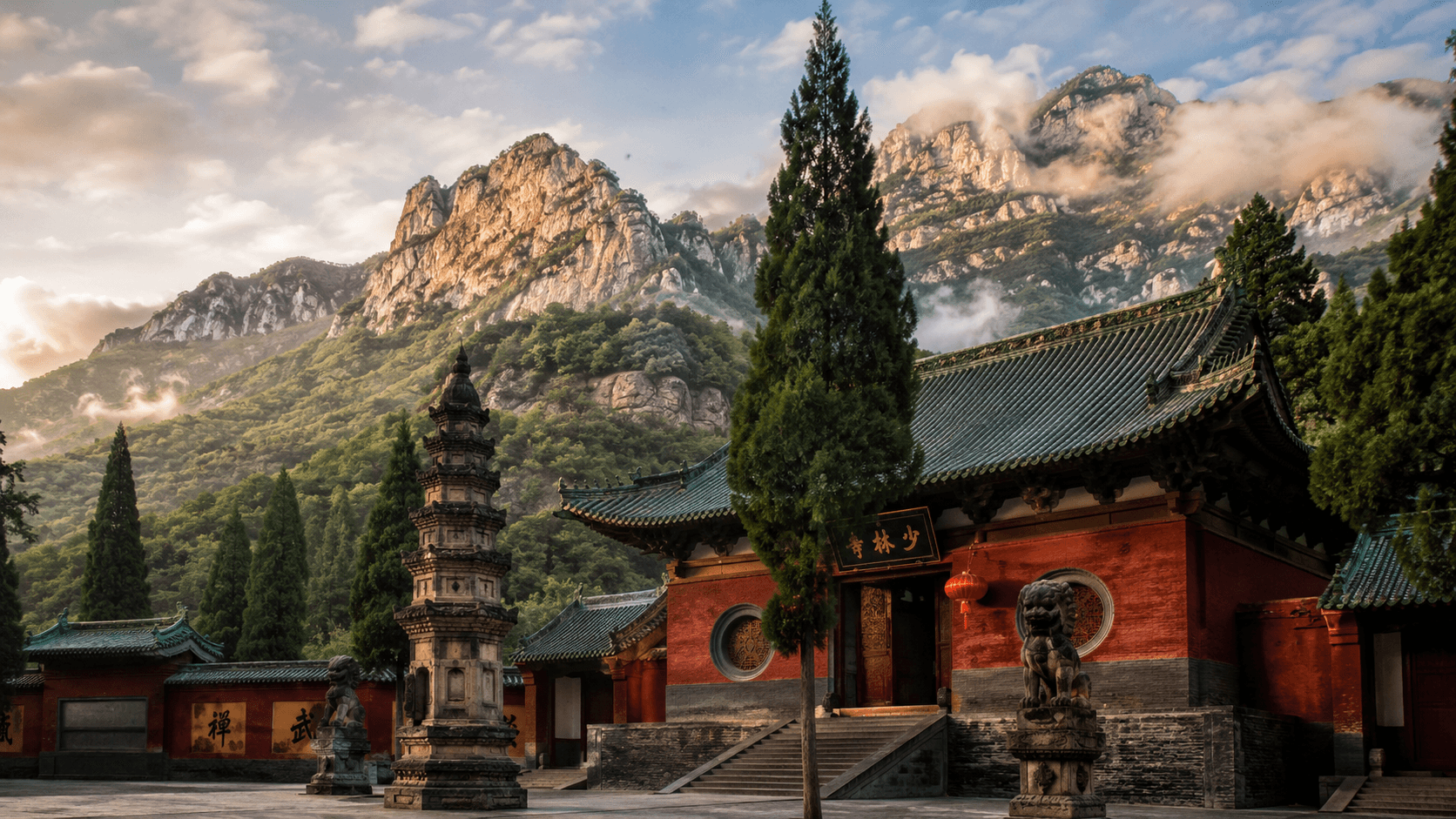
Luoyang
Longmen Grottoes · Imperial stone carving
Mount Emei + Leshan
Giant Buddha · Carved into cliff
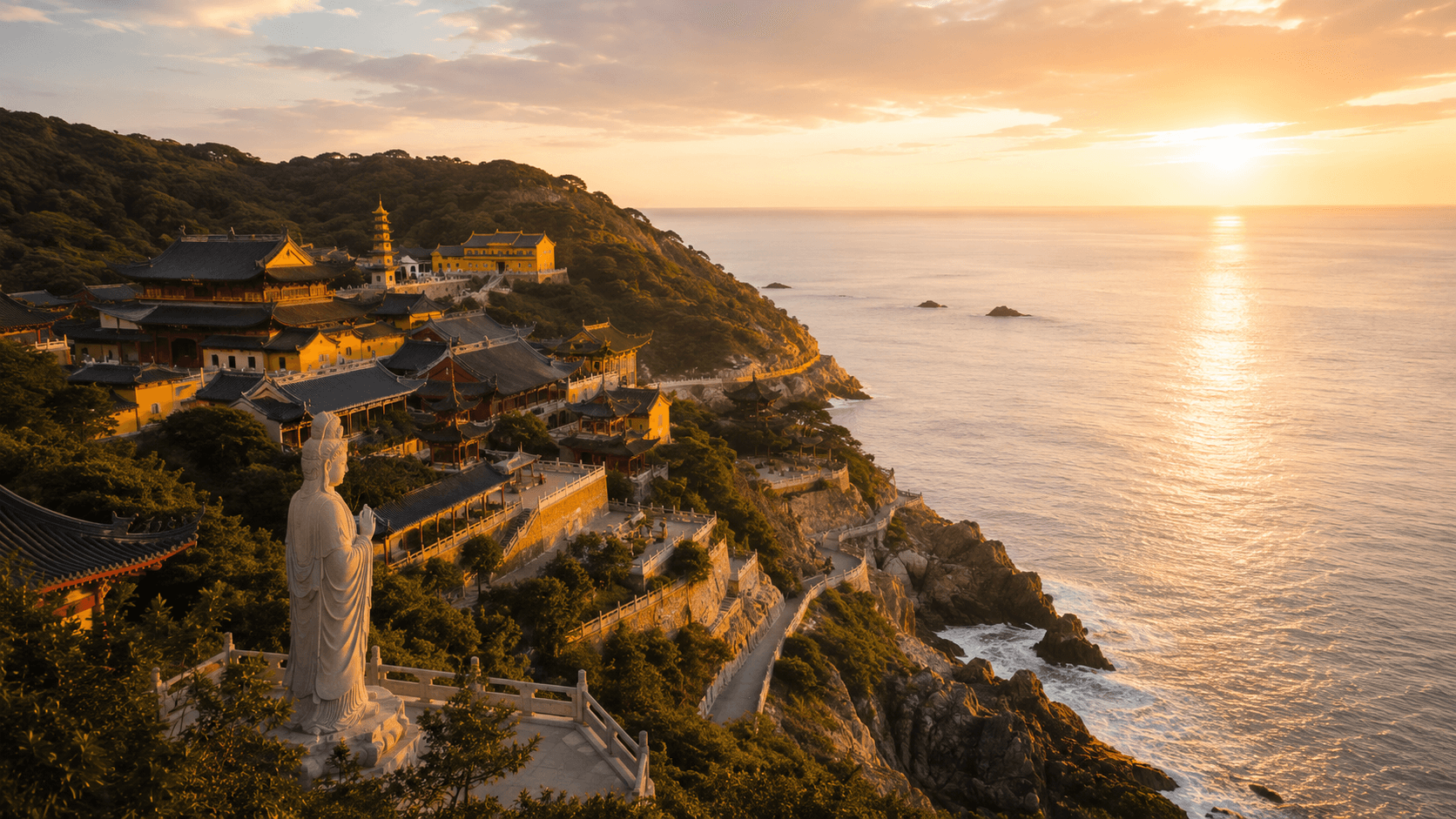
Putuo Mountain
Island pilgrimage · Guanyin and the sea
China is one of the most important places in the world for understanding how Buddhism travelled, adapted, and became part of different cultures. To explore Buddhist heritage here is not simply to visit a collection of old temples — it is to follow a story of movement and transformation, of ideas crossing borders and finding new form.
一
Chinese Buddhist heritage preserves evidence of encounters between India, Central Asia, Tibet, and East Asia.
二
In China, Buddhist heritage is often inseparable from the landscape. Temples are built into mountainsides. Statues are carved into cliffs.
三
Many of China's Buddhist sites remain active places of worship, study, and community life.
What to Expect
A Buddhist cultural journey through China is an opportunity to see how ideas become places — how a cliff becomes a Buddha, how a mountain becomes a pilgrimage, how a desert cave preserves the memory of travellers.
Architecture
Halls, pagodas, courtyards, and the relationship of temple to mountain
Buddhist Art
Murals, stone carvings, and the expression of compassion and wisdom
Sacred Mountains
Distance, elevation, weather, and silence as part of the experience
Living Practice
Pilgrims, monks, vegetarian meals, and the rhythm of monastic life
You will learn to look beyond the surface. At the relationship between a temple and the mountain behind it. At the expression, posture, and scale of a Buddhist statue. At the faded colours of a mural and the people represented within it. At the arrangement of gates, courtyards, halls, towers, and pagodas.
At the way visitors, monks, local residents, and pilgrims continue to use these spaces today.
Our Approach
The goal is not to turn every traveller into a Buddhist.
The goal is to help every traveller understand what they are seeing — and why it has mattered to people for centuries.
Our Philosophy
We believe that meaningful travel begins with context. A temple becomes more than a beautiful building when you understand why it was built — a statue more powerful when you know what it represents.
A pilgrimage route becomes more meaningful when you understand why generations of people chose to walk it. That is why we do more than arrange destinations.
Before each journey, we help you understand the history, cultural ideas, visual details, and local etiquette that shape the places you will visit. We explain what matters, what most visitors overlook, and how to experience sacred spaces with curiosity and respect.
"We do not simply take you to sacred places.
We help you understand the history, ideas, and human stories that made them sacred."
Whether you are drawn to Buddhist art, ancient history, sacred mountains, architecture, philosophy, or quiet travel, we will help transform your interest into a journey that is culturally meaningful and practical to follow.
4
sacred routes
$269+
starting from
2–4
day options
Four Sacred Routes
Chinese Buddhist tradition associates four sacred mountains with four great bodhisattvas. Each mountain represents a different quality: wisdom, compassionate action, attentive care, and the courage to carry a great vow. Travelers may explore these meanings as cultural traditions and, if they choose, record a private intention or request a voluntary offering.
These associations reflect Buddhist traditions and cultural practices. A wish or offering does not guarantee a specific result.
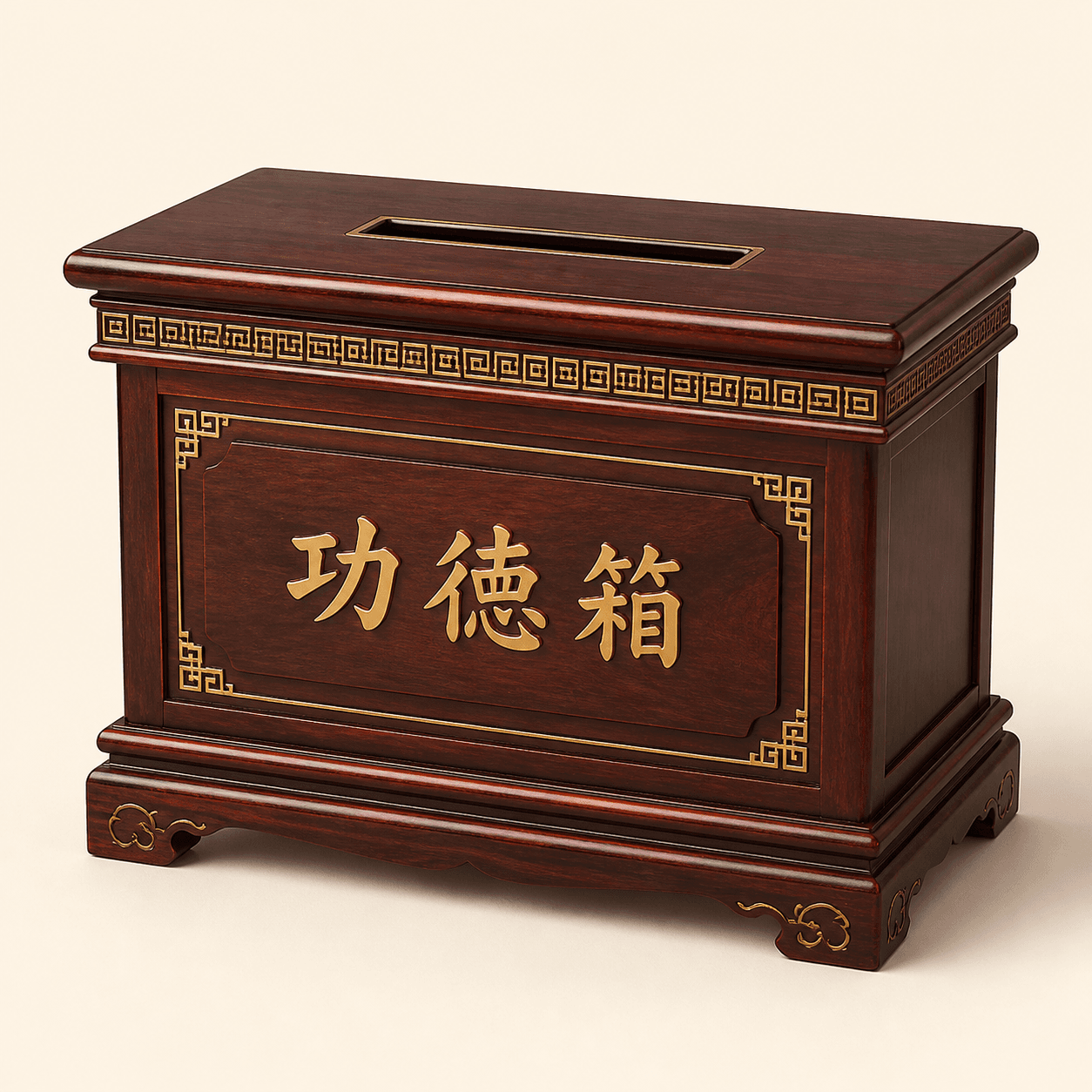
Wish & Offering Box
Voluntary offering · transparent delivery
Leave a personal intention, support the continuation of temple offerings, or make a voluntary offering to this sacred figure.
Offerings are delivered to a designated authorized temple through a scheduled journey, with an account update, available receipt, and video record after completion.
A later gratitude offering is optional and never an obligation.
Offering amount
The amount does not change the meaning or value of your intention.
Annual Offering Journey · delivery update, available receipt, and documented video process.
Offering service coming soon. You can still save a private wish without making an offering.
Four Bodhisattvas · Traditional Associations
Select a bodhisattva to connect the shared wish box with that sacred tradition. These are cultural and religious associations, not promises of a specific outcome.
Choose Your Way Into Sacred China
Wisdom · Manjusri Bodhisattva
五台山 · 文殊智慧之旅
For travelers seeking clarity, learning, and better decisions.
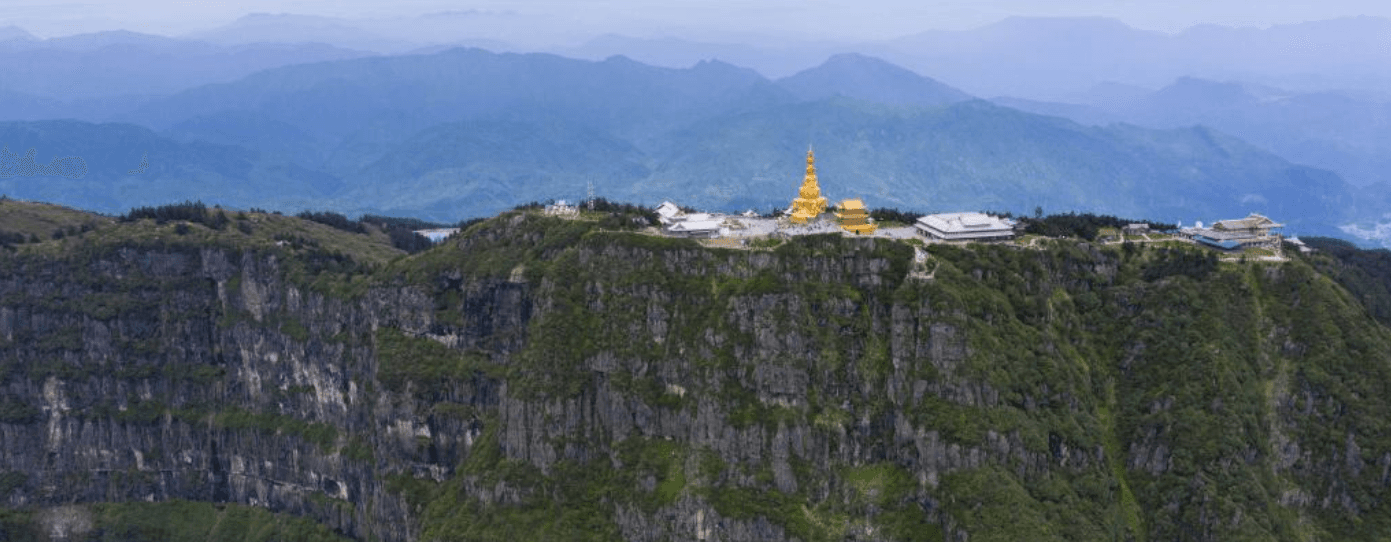
Action · Samantabhadra Bodhisattva
峨眉山 · 普贤菩萨行愿之旅
For travelers drawn to Samantabhadra, sacred-mountain practice, and turning vows into action.
Compassion · Guanyin Bodhisattva
普陀山 · 观音慈悲之旅
For travelers carrying wishes for family, safety, and emotional steadiness.
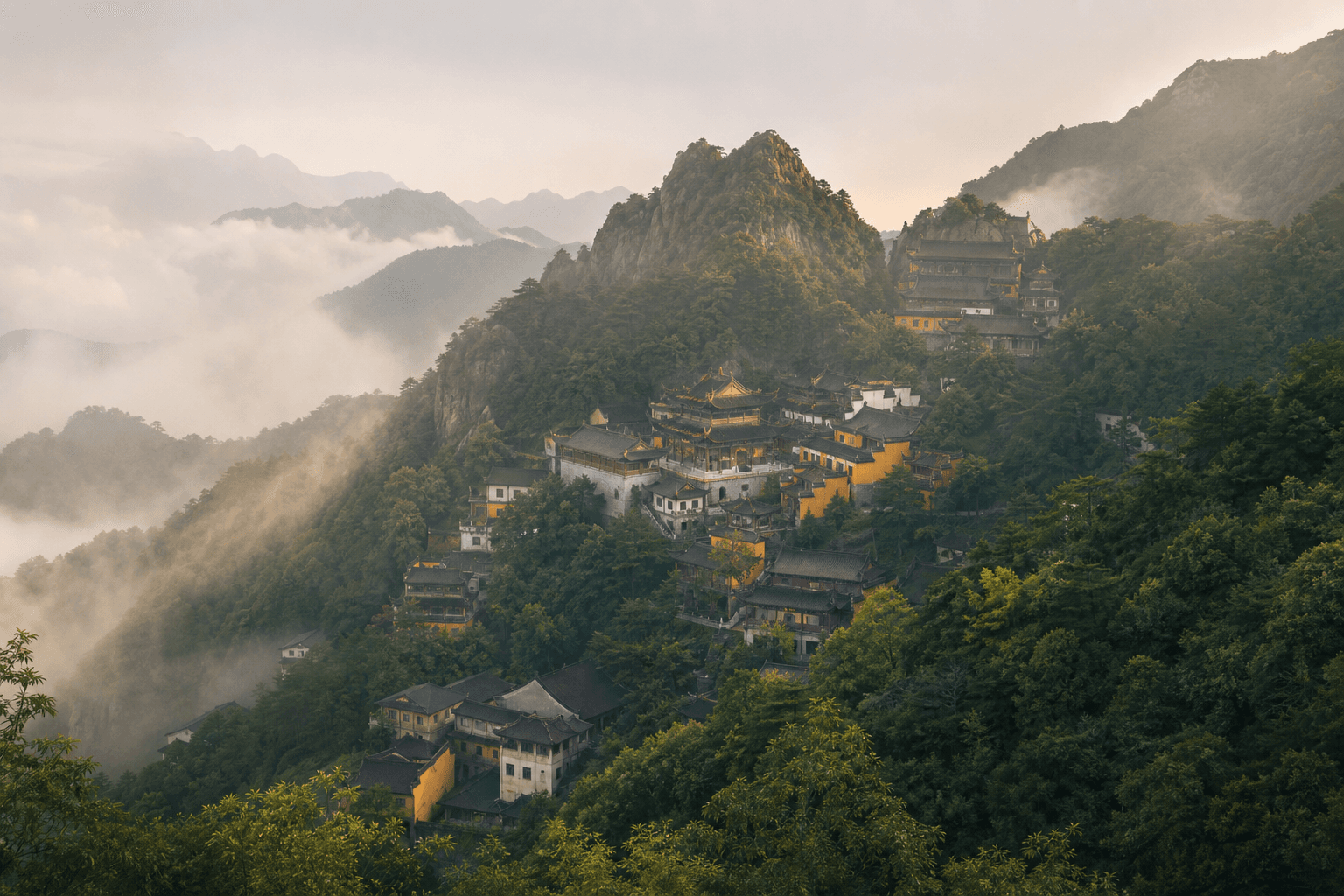
Great Vows and Remembrance · Ksitigarbha Bodhisattva
九华山 · 地藏大愿之旅
For travelers reflecting on gratitude, remembrance, and responsibility.
Travel Planning Services
The free guide helps you understand the journey. Our paid planning service turns it into a realistic trip—with hotels, timing, transport, food, temple order, etiquette, and backup plans.
From $29
Best if you only need help choosing where to stay.
From $79
Best if you want a personalized itinerary.
From $299
Best if you want us to handle the full planning process.
Prices exclude hotels, tickets, transportation, meals, offerings, and third-party costs.
Route Preview
Mount Wutai is experienced through temples, valleys, mountain roads, incense courtyards, and pilgrimage spaces. Open this free guide for a clear four-day starting structure.
五台山 · 文殊智慧之旅
A mountain journey through temples, terraces, changing weather, and the cultural tradition of seeking clear judgment.
Sacred Bodhisattva of This Mountain
The Bodhisattva of Wisdom
Mount Wutai is traditionally regarded as the sacred mountain of Manjusri. Its five terraces, temples, pilgrimage paths, and changing mountain weather have drawn generations of monks and travelers seeking wisdom. Manjusri represents more than accumulated knowledge: he symbolizes discernment, the ability to recognize what is essential and act with clarity.
Key Areas · 重点领域
Common Intentions · 常见祈愿
Short Itinerary
Day 1 · Taiyuan to Mount Wutai
Arrive in Taiyuan and transfer toward Mount Wutai. Settle in and begin with a gentle orientation to the sacred mountain tradition.
Day 2 · Core Temple Cluster
Visit the main temple cluster and learn how Manjusri became associated with wisdom, discernment, and intellectual humility.
Day 3 · Five Terraces and Pilgrimage Paths
Explore mountain viewpoints, quieter temples, and pilgrimage paths at a slow pace shaped by weather and elevation.
Day 4 · Return or Extension
Return to Taiyuan or extend toward Datong and Yungang for Buddhist art history.
Route Preview
Follow the sacred mountain from its lower temples to Wannian Temple and the Golden Summit, with Leshan Giant Buddha as a complementary side visit.
峨眉山 · 普贤菩萨行愿之旅
A Mount Emei pilgrimage centered on Samantabhadra Bodhisattva, the Golden Summit, sacred temples, and the practice of turning vows into action—with Leshan Giant Buddha as a complementary side visit.
The nearby Leshan Giant Buddha is a monumental Maitreya figure carved into the cliff above three rivers. It remains an essential part of the journey, while this route's primary intention card focuses on Puxian.
Sacred Bodhisattva of This Mountain
The Bodhisattva of Practice and Vows
Mount Emei is traditionally associated with Samantabhadra, known in Chinese as Puxian. Puxian represents vows, practice, perseverance, and the transformation of understanding into compassionate action. The journey through temples, forests, stone paths, and changing weather reflects the idea that values become meaningful when they are repeatedly put into practice.
Key Areas · 重点领域
Common Intentions · 常见祈愿
Short Itinerary
Day 1 · Enter Mount Emei
Travel from Chengdu to Mount Emei. Begin at Baoguo Temple and Fuhu Temple, then settle near the mountain for a quiet introduction to Samantabhadra's sacred landscape.
Day 2 · Wannian Temple and Golden Summit
Visit Wannian Temple and its Samantabhadra tradition, then continue toward the Golden Summit for the ten-faced Samantabhadra statue, summit temples, clouds, and changing mountain light.
Day 3 · Mount Emei Morning and Leshan Side Visit
Close the Emei journey slowly, then add the Leshan Giant Buddha as a complementary half-day visit before returning to Chengdu.
Route Preview
A calm island journey shaped by Guanyin culture, temples, coastal paths, incense courtyards, sea wind, and ferry timing.
普陀山 · 观音慈悲之旅
An island pilgrimage of temples, coastal paths, waves, and the cultural practice of compassionate listening.
Sacred Bodhisattva of This Mountain
The Bodhisattva of Compassion
Mount Putuo is traditionally regarded as the Chinese sacred mountain of Guanyin. The island pilgrimage connects temples, coastal paths, waves, and the practice of compassionate listening. Guanyin represents the willingness to hear suffering and respond with care.
Key Areas · 重点领域
Common Intentions · 常见祈愿
Short Itinerary
Day 1 · Transfer to Putuo
Travel to Zhoushan and take the ferry to Mount Putuo. Visit the main temple area and walk coastal paths.
Day 2 · Guanyin Culture and Ocean Views
Explore Guanyin-related sites, vegetarian food, sea views, and quieter walking routes before returning.
Route Preview
A thoughtful mountain journey centered on great vows, remembrance, gratitude, and quiet responsibility.
九华山 · 地藏大愿之旅
A reflective mountain route focused on responsibility, filial remembrance, gratitude, and care for those facing hardship.
Sacred Bodhisattva of This Mountain
The Bodhisattva of Great Vows and Remembrance
Mount Jiuhua is traditionally regarded as the sacred mountain of Ksitigarbha. A widely told tradition connects the mountain with the Silla monk Kim Gyo-gak, known in China as Jin Qiaojue, who practiced there during the Tang period. Later generations associated his life of discipline with Ksitigarbha's great vow to care for beings in difficult circumstances.
Key Areas · 重点领域
Common Intentions · 常见祈愿
Short Itinerary
Day 1 · Arrive through Chizhou
Transfer to Mount Jiuhua, visit the main temple area, and learn about Ksitigarbha traditions.
Day 2 · Temples and Pilgrimage Paths
Visit Huacheng Temple, the Physical Body Hall area, mountain temples, and pilgrimage paths.
Day 3 · Great Vow Cultural Park
Visit quieter temple areas or the Great Vow Cultural Park, then return to Chizhou.
Sample Pricing
All routes show "From" pricing. Your final price depends on group size, accommodation choice, and add-ons.
View all routes →Temple Etiquette
Dress calmly
Avoid overly revealing clothing inside temples.
Photos vary
Some halls or statues may not allow close-up photos — always check signage.
Offerings optional
No incense or donation should feel required during your visit.
Stay respectful
Keep voices low and be mindful of worshippers during active prayer.
Plan My Journey
Tell us which route you want, your dates, group size, and travel style. We'll send a tailored itinerary and final price within 24 hours.
We Take Over
From $299